For decades, the life of a professional event photographer has been defined by a grueling, unseen, and entirely unglamorous second shift. The physical toll of shooting a 14-hour traditional Indian wedding, a high-octane corporate retreat, or a large college festival is exhausting enough. But the true bottleneck—the silent drain on profit margins and work-life balance—has always been the post-production workflow.
Specifically, the mind-numbing administrative process of culling, categorizing, organizing, and distributing thousands of photos to individual people.
Today, manual photo sorting is being rapidly phased out. The advancement of artificial intelligence and high-speed facial recognition vector engines is rewiring the economics, the operational capacity, and the daily reality of modern photography studios.
In this guide, we will dissect the financial and psychological toll of traditional photo management, explain the mathematical advantage of AI facial recognition, and demonstrate how this technology acts as a major advantage for businesses that adopt it.
The Nightmare of Manual Distribution
To fully appreciate the solution, we must first confront the reality of the problem. Consider the traditional workflow of a high-end, three-day Indian wedding. Between the Sangeet, the Haldi, the Mehendi, the Baraat, and the Reception, a standard photography team shoots an average of 10,000 to 15,000 raw files.
After the grueling process of culling the bad shots and color-grading the final 3,000 images in Lightroom or Capture One, the true nightmare begins: Distribution.
The bride's family wants photos of their specific relatives. The groom's family demands photos of their side. The bride's college friends want their group shots for Instagram. The vendors (the makeup artist, the florist, the decorator) are requesting portfolio images.
Historically, the photographer had two frustrating options:
Option A: The Massive Dump
The photographer exports all 3,000 high-resolution JPEGs into a single, large Google Drive or Dropbox folder and sends the link to the bride and groom.
The photographer has effectively offloaded the problem onto the client. The couple is now forced to download the entire folder, scroll through thousands of images on their laptop, manually identify their friends, and forward individual photos to various WhatsApp groups.
This leads to frustrated clients, digital friction, and a poor brand experience for the studio. Furthermore, when the couple forwards the photos via WhatsApp natively, the app aggressively compresses the images, degrading your color grade and sharpness before the photos ever reach social media.
Option B: The Manual Sort
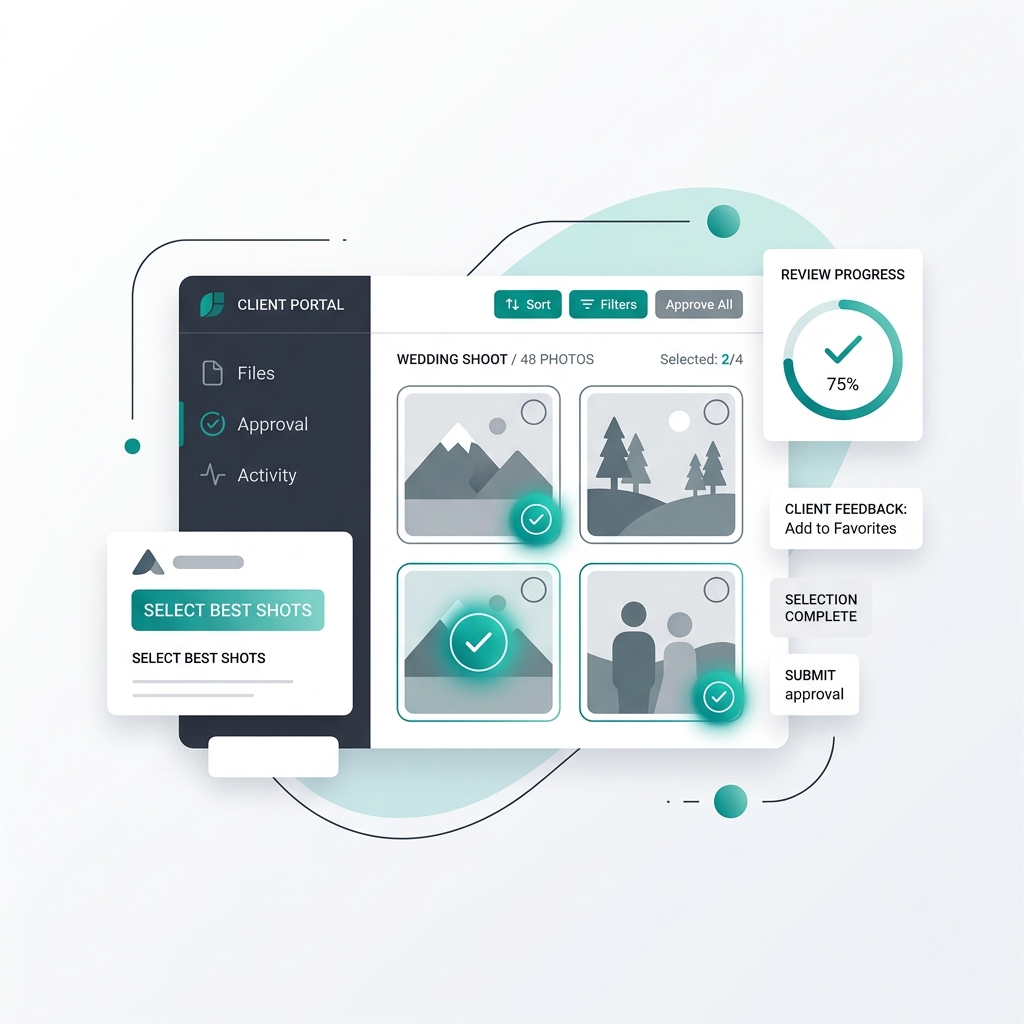
To provide a better client experience, the photographer decides to organize the photos themselves. They spend an additional 10 to 15 hours creating manual sub-folders in Lightroom. They create folders for "Bride's Family," "Groom's Friends," "Haldi Candids," "Decor," and "Couples Portraits."
This is wildly inefficient. It eats directly into the studio's profit margins, turning the photographer into a highly paid file clerk. And even after this administrative effort, the guests still have to scroll through folders containing hundreds of photos to find the exact candid shot of themselves they want to post.
(Curious about faster methods? Read our guide on the fastest way to deliver event photos).
The Financial Reality of Unbillable Hours
Let’s break down the economics of the manual workflow. Time is the most valuable resource in your business.
Suppose you charge $4,000 for a wedding package.
- You spend 30 hours shooting the event.
- You spend 10 hours culling and editing.
- Total Billable Effort: 40 hours.
- Effective Rate: $100 per hour.
However, if you are stuck using traditional distribution methods, you spend an additional 15 hours manually sorting folders, dealing with client revisions, hunting down specific photos ("Can you find the one where my uncle is dancing at the Sangeet?"), and managing WhatsApp queries.
- New Total Effort: 55 hours.
- New Effective Rate: $72 per hour.
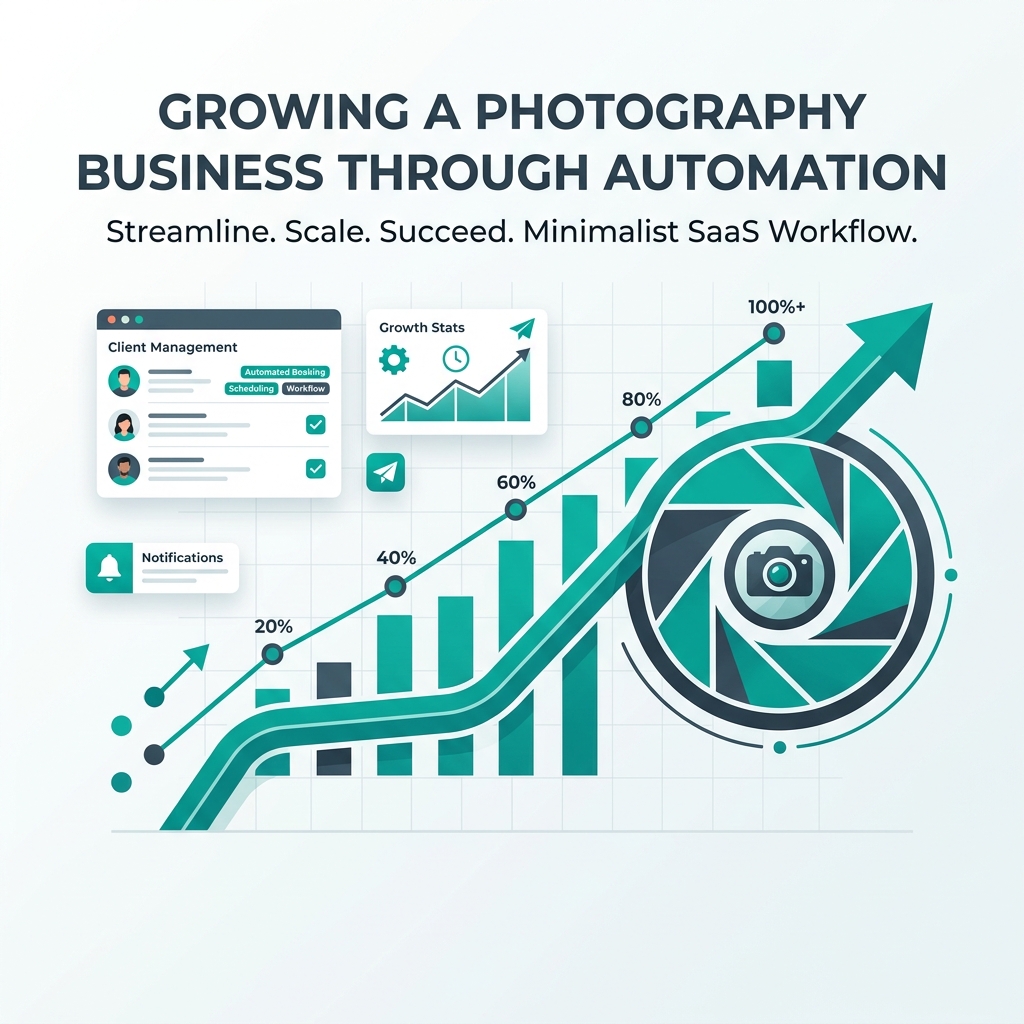
By refusing to automate your distribution, you have voluntarily taken a 28% pay cut. Furthermore, those 15 hours of administrative friction prevent you from taking on new client meetings, marketing your business, or simply resting. This administrative overhead creates an artificial ceiling on a studio's operational capacity. To scale revenue under this model, studios were forced to hire dedicated studio managers just to manage files, creating payroll overhead.
The Mathematical Supremacy of AI
AI facial recognition does not just "speed up" the distribution phase of post-production; it eliminates the manual effort entirely. It removes the task from the human, offloading the logistical burden to cloud computing.
How the Automation Works
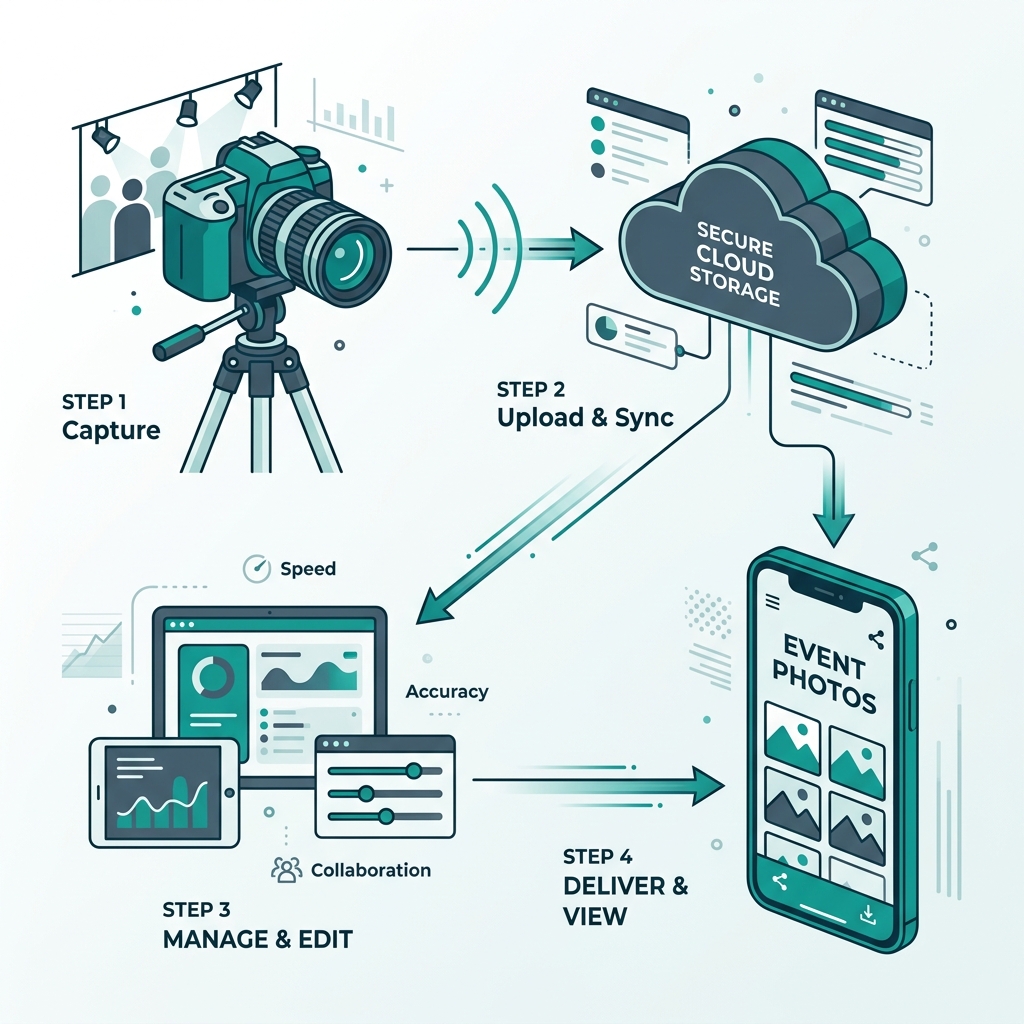
When a photographer exports their final 3,000 JPEGs, they simply drag and drop the entire unorganized batch into an AI platform like Ayojan. There is no need for sub-folders.
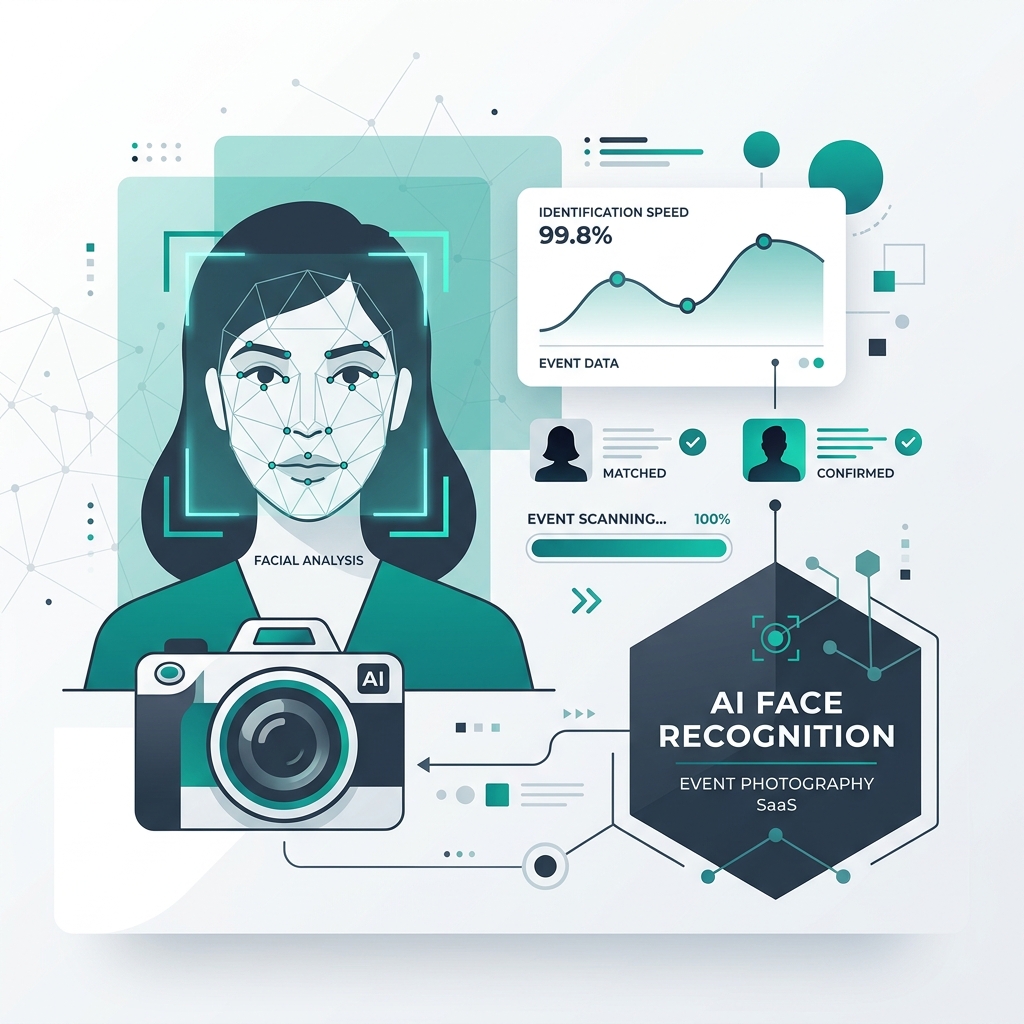
The moment the upload begins, the AI goes to work. Using highly optimized neural networks trained specifically on diverse facial structures and lighting conditions, the system scans every single image. It detects every face—even in complex lighting, side profiles, low-light reception halls, or dense group shots.
The AI extracts the unique geometry of each face and converts it into a high-dimensional mathematical vector. These vectors are instantly indexed into a specialized database.
The Speed of Silicon
The advantage of this approach is crucial. A human might take 5 to 10 seconds to look at a photo, identify the specific uncle, and drag the file into the correct sub-folder. For 3,000 photos, that equates to hours of intense, fatiguing labor.
Modern cloud AI infrastructure can process, detect, and mathematically index the facial data of 3,000 high-resolution images in under three minutes. It does not get tired, it does not get distracted, and it does not make organizational mistakes.
The Zero-Friction Guest Experience
The true power of AI face recognition is not merely operational efficiency for the photographer; it is the radical transformation of the end-client's experience.
With AI platforms, the concept of a guest "scrolling to find their photo" is permanently replaced. The friction is reduced to zero.
Here is what the modern, AI-driven workflow looks like in practice:
- The Single Link: The photographer shares one single, unified URL with the married couple.
- Easy Distribution: The couple forwards that single link to a WhatsApp group containing all 500 wedding guests.
- The Selfie Authentication: A guest clicks the link. Instead of seeing a grid of 3,000 photos, the web-app prompts them to take a quick selfie using their smartphone's front camera.
- The Instant Search: The guest snaps the selfie. The AI converts their selfie into a query vector and searches the database. Within milliseconds, the system matches their face against the indexed gallery.
- The Personalized Result: The guest is instantly presented with a private, dynamic sub-gallery containing only the photos they are in.
This experience feels seamless to the user. It is the technological equivalent of a luxury concierge service. They receive their high-quality, perfectly edited images instantly. Because they are thrilled with the photos and the experience, they immediately download them and share them on Instagram, directly tagging the photographer's studio.
The Viral Marketing Flywheel
When you replace manual sorting with AI recognition, you turn your gallery delivery into an automated marketing engine.
Under the old model (the cloud drive folder), only the bride and groom really interact with your brand. The guests just receive compressed WhatsApp forwards from the bride. The guests do not know who took the photos, they do not see your logo, and they do not visit your website.
When you use an AI face-search platform, every single guest interacts directly with your brand. If 500 guests use your AI link to find their photos, 500 guests are looking at a sleek web application featuring your studio's logo. They are experiencing your premium technological service firsthand.
Data Capture and Lead Generation
Modern AI galleries allow you to capture data. Before a guest downloads their personalized album, you can require them to enter their email address or phone number.
A single wedding instantly generates a database of 500 hyper-local, qualified leads. These are affluent individuals who have just had a highly positive experience with your brand. When those guests need a photographer for their own upcoming weddings, corporate events, or family portraits, they already have your contact info, and they already trust your technology. You have generated future revenue streams effectively.
Overcoming the Fear of AI Automation
Many photographers push back against automation out of a misplaced sense of artisanship. They feel that by handing off the curation and organization to an algorithm, they are losing their "personal touch."
This is a misunderstanding of where value lies in photography. Your client is paying for your artistic eye, your mastery of lighting, your ability to direct a pose, and your unique color grading style. They are not paying for your ability to manually drag files into a folder labeled "Groom's Friends."
File management is not art; it is administration. By automating the administration, you are actually protecting your artistry. You are freeing up your mental bandwidth to focus entirely on the creative aspects of your business.
Furthermore, the "personal touch" of a human organizing folders is vastly inferior to the "technological touch" of a guest receiving their photos instantly via an AI selfie-search. The client prefers the AI experience because it is faster, easier, and completely revolves around them.
The photography industry is historically challenging to those who refuse to adapt. The transition from manual file management to AI-automated delivery is a significant shift in how studios operate. Clients are already experiencing instant AI delivery at corporate events, large-scale music festivals, and high-end destination weddings. Over time, expecting a client or a guest to scroll through a generic drive link will be viewed as outdated. AI face recognition is no longer an experimental luxury; it is becoming the operational standard.