In the luxury photography market, there is often an emphasis on the "tangible deliverable."
For years, the prevailing wisdom among high-end wedding and portrait photographers has been that to justify a premium price tag, you must mail the client a beautifully branded wooden box containing a custom-engraved USB drive. The photographer spends money on the packaging and shipping, assuming the client prefers this physical artifact.
However, this assumption is becoming increasingly disconnected from modern technology.
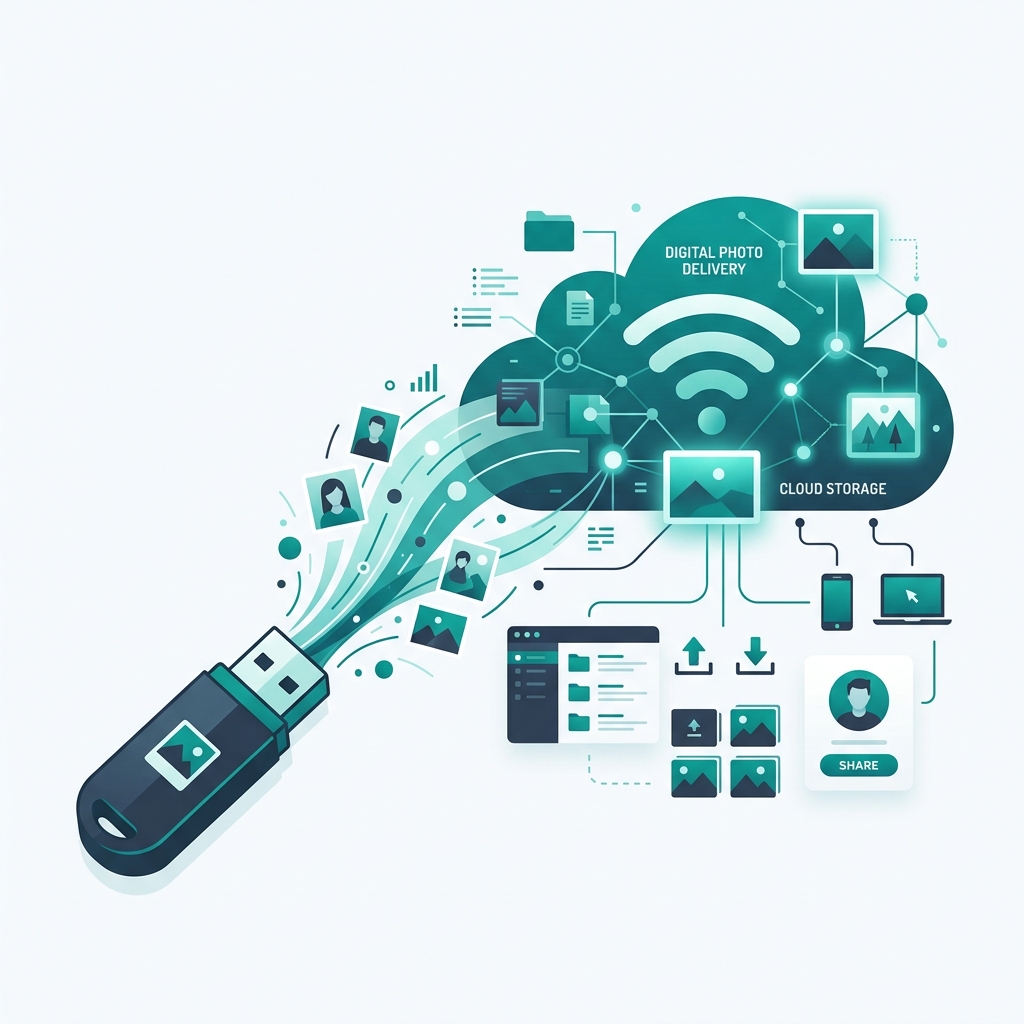
The USB drive is shifting from a luxury deliverable to a technical obstacle. To a modern client in 2026, receiving a USB drive can feel outdated. It belongs to an era before pervasive high-speed cloud infrastructure.
This guide will examine the logistical and UX (User Experience) limitations of physical media delivery. We will discuss why modern hardware makes USBs less convenient, the costs associated with physical fulfillment, and how transitioning to enterprise cloud architecture (like Ayojan) provides a more seamless experience for the client.
The Hardware Transition
A primary challenge with the USB drive is that it relies on legacy hardware ports that manufacturers have been phasing out for years.
The Shift Away From USB-A
Many custom-engraved wooden USB drives sold by photography packaging companies utilize the standard, rectangular USB-A connector.
Consider the hardware your client likely uses. Many modern laptops, such as the MacBook Pro, MacBook Air, or ultra-thin Windows laptops, no longer have USB-A ports. They rely primarily on USB-C.
When your client receives the wooden box in the mail, they may realize they cannot plug the drive into their computer without an adapter. This introduces immediate friction to the experience of viewing their final photos.
The Mobile-First Reality
Furthermore, the assumption that clients sit down at a desktop computer to view photos is shifting. A vast majority of web traffic is mobile. When a client wants to look at their photos, they often use a smartphone or a tablet. You cannot plug a standard USB drive into an iPhone.
By delivering physical media, you are providing photos in a format that doesn't align with how clients consume most of their media.
The UX (User Experience) Limitations
Even if the client possesses the correct adapter and mounts the USB drive, the user experience of navigating the files is often basic.
Navigating Folders
When the USB drive opens, the client is presented with a standard operating system window. They see a list of folders. Inside these folders are thousands of JPEG files.
To view the photos, the client has to double-click a file and tap the arrow keys to navigate. There is no custom gallery interface, no intuitive search function, and no mobile-optimized layout. It is a standard file-browsing experience.
The Local Drive Constraint
Once the photos are on the client's laptop, they are stored locally.
If a client wants to show a friend a specific photo while out of the house, they cannot easily do so if the USB drive is at home. If they want to post a photo to social media, they have to transfer the file from the laptop to their phone first.
This level of friction can reduce how often the client shares the photos, which impacts your studio's organic reach.
(Want to learn more? Check out our guide on client proofing and selections).
The Cost of Physical Fulfillment
Delivering physical USB drives also introduces costs and administrative work that impact your studio's margins.
Many photographers view the cost of the wooden box as a marketing expense. Let's look at the numbers.
Hard Costs
- Custom engraved wooden box & USB drive: $35.00
- Branded tissue paper, ribbon, and insert card: $5.00
- Custom shipping box/mailer: $3.00
- Shipping: $12.00
- Total Hard Cost per Client: $55.00
If you shoot 40 weddings a year, you are spending over $2,000 annually to mail data that could be transmitted digitally.
Administrative Labor
The hard costs are only part of the equation. Consider the unbillable labor. To fulfill a USB order, you must plug the drive into your computer, wait for the files to transfer, pack the box, write a note, and handle the shipping process.
This requires time that could be spent on shooting, editing, or marketing.
The Cloud-Native Alternative
If the wooden USB drive is becoming outdated, how do you provide a premium experience?
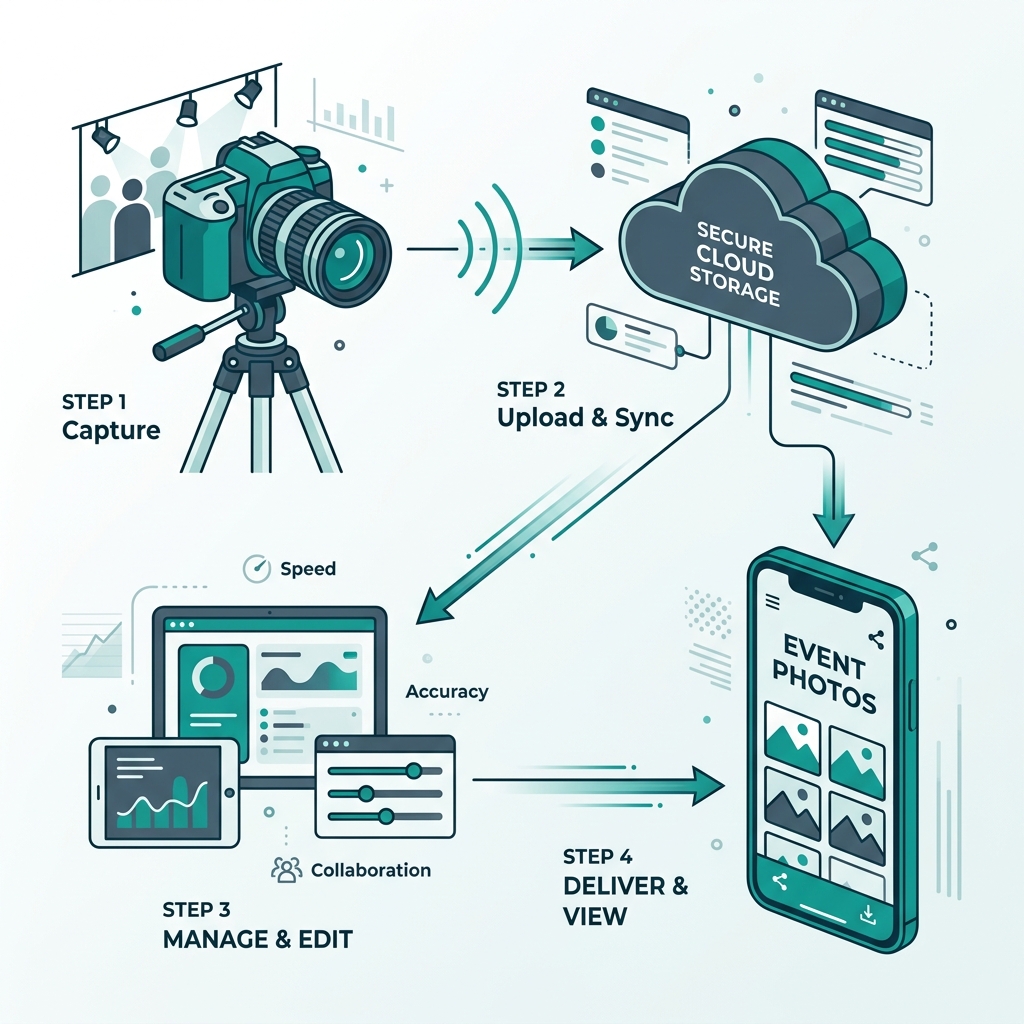
In the modern era, a premium experience is often defined by convenience, security, and accessibility. You can transition your delivery to an enterprise-grade cloud architecture, such as the Ayojan platform.
The Accessible Gallery
When you deliver a gallery via the cloud, the photos live on a secure server.
The client receives a white-labeled URL.
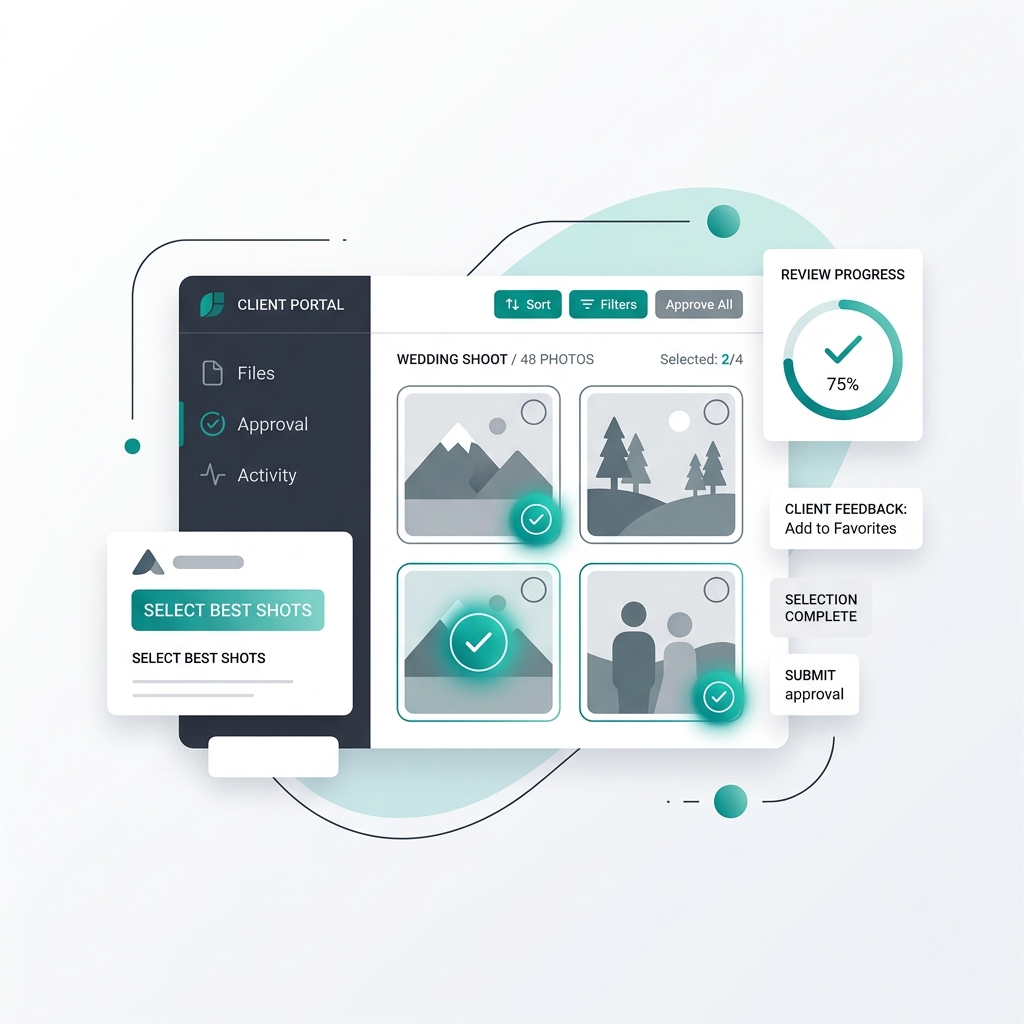
- On a laptop, they see a responsive grid UI.
- On a tablet, the gallery scales perfectly.
- On a smartphone, they can access the entire gallery instantly.
They can easily share the link with family or post directly to social media without transferring files manually.
AI Search Capabilities
As we have covered in other guides, biometric search adds significant convenience. When the client shares the gallery link with their guests, the guests can take a selfie, and the Ayojan database returns their personalized photos in milliseconds.
This functionality creates a strong impression and a high perception of brand value.
Security and Backups
A USB drive is a single point of failure. If the client loses the drive, the photos are gone unless you maintain a backup.
A cloud gallery provides redundancy. The photos are backed up across servers. The client doesn't have to worry about hardware failure.
Repurposing the Budget
If you eliminate the cost of the USB drive, how can you maintain a tangible touchpoint?
You can shift your focus from delivering data to delivering finished prints.
The Fine Art Print Surprise
Take the budget you were going to spend on the USB drive and use a professional print lab. Order high-quality fine-art prints of the best "Hero Shots" from the event. Place them in a presentation folio and mail them to the client.
The Psychology: When the client opens the package, they are looking directly at physical art, ready to be framed. You have provided a tangible experience while moving the heavy data transfer to the cloud.
The photography industry is evolving away from physical media for file delivery. It is a high-friction mechanism that doesn't align with modern device habits.
By utilizing digital delivery, you reduce hard costs and administrative labor. Redirecting that effort to high-speed cloud platforms like Ayojan provides the client with better access, search capabilities, and a polished mobile UI. Upgrade your delivery methods to match the expectations of today's clients.